1. Identify the Purpose
Whatever sparked the idea of using your history—an anniversary, a change in ownership, an acquisition, or something else—take time to reflect on why you really want to use it:
- To strengthen the brand and build trust.
- To create internal pride.
- To manage change and risk.
A clear purpose will guide which parts of your history are most relevant to highlight.
2. Inventory and Organize Historical Material
How can you ensure your history is accurate and truthful? Start with real sources!
- Collect documents, images, films, products, stories…
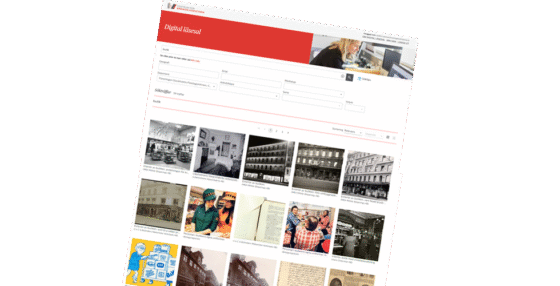
- Create a structured company archive—physical or digital—that is easy to search.
- Consider working with a professional archive, such as the Centre for Business History.
An archive is the foundation for telling your story effectively, factually, and authentically.
3. Choose Stories That Truly Represent the Company’s Journey
You won’t have time to share everything in your company’s history. Choose the stories that are true milestones, both the good and tough ones—those that reflect who you really are.
- Tell your story authentically and engagingly—think of it as fact-based storytelling!
- Start from the future and work backward—to make the stories relevant to today’s business.
- Focus on why you did things, not just what you did. It makes your stories more relatable.
It’s not about nostalgia—it’s about showing continuity and credibility. Ask for advice from experienced storytellers, such as the Centre for Business History.
4. Integrate History into Communication
Structure your narrative and package your history so it can be used in many ways—not just in an anniversary book or a history website, but across all your communication channels:
- Marketing, advertising, and more.
- Internal communication, onboarding, and more.
- Product packaging, labels, company presentations—and much more…
History should not be a separate part—it should be woven into your ongoing communication.
5. Follow Up and Evolve
Never stop telling your story—keep it alive for both old and new audiences:
- Measure the impact: How do customers and employees respond?
- Continuously update your archive.
- Keep collecting new stories—today’s events are tomorrow’s history.
Want to learn more about history marketing? Contact us at the Centre for Business History!