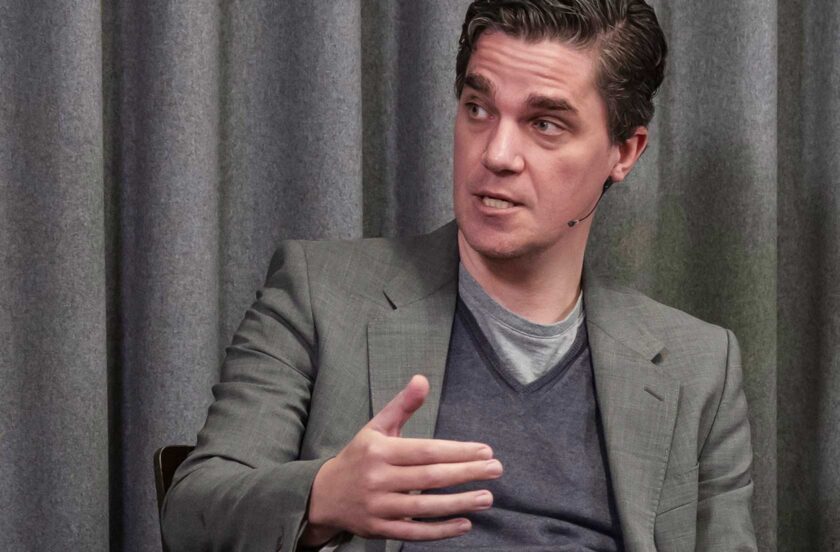
Last Thursday, we received the sad news that Martin Kragh had passed away, after a battle with pancreatic cancer, at only 45 years old. Much has since been written about his work and importance as a researcher, not least his educational effort to explain Russia's history and its aggressive stance towards the West.
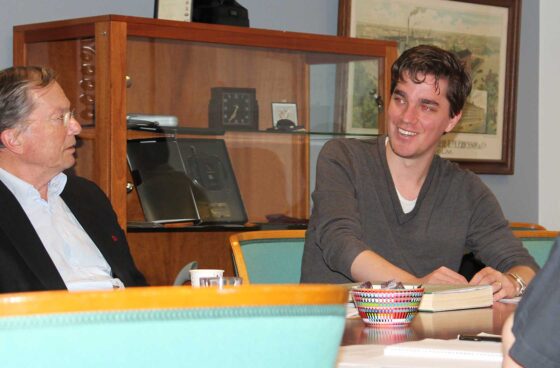
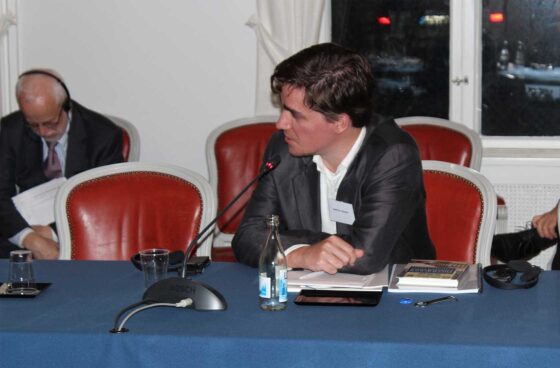
We at the Centre for Business History had the privilege to collaborate with Martin on several occasions. Among other things, he was involved in the large digitization project of materials from the Nobel family's Russian operations which ran over several years from 2012, in Baku and Tbilisi as well as St. Petersburg. His good advice and associative way of thinking were instrumental to the project's successes. There were many meetings in the reference group and on site with Russian colleagues, where he elevated the discussion with his wisdom and encyclopedic knowledge. In St. Petersburg, the reference group could relax between conferences and sometimes stiff meetings with archival authorities, in the bar at Hotel Astoriya with funny stories and lots of laughter. Martin's humor was always understated yet quick, witty, and spot-on.
Martin regularly participated in our seminars and publications. Among others, with texts about Swedish-Russian collaborations in business from the 1800s up to the Russian Revolution, in several issues of our Business History Series (2014, again 2014 and 2019). He also contributed with posts about other topics, such as the history of free trade and the importance of archives for research. In addition, he participated in our magazine Företagshistoria.
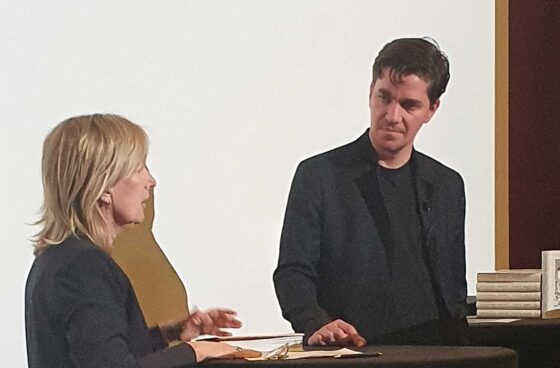
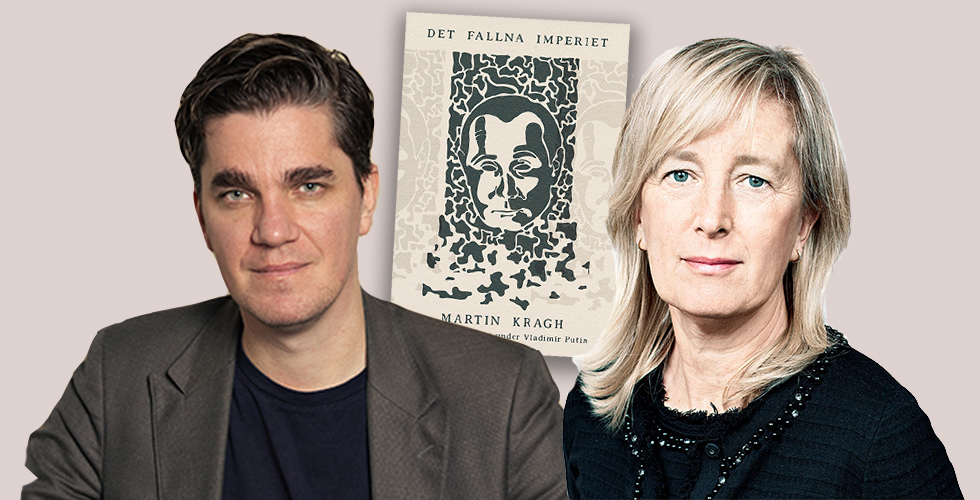
In 2022, at our annual meeting, we asked Martin to chat with journalist Torun Nilsson about his then new book The Fallen Empire – Russia and the West under Vladimir Putin. The conversation has become one of our most viewed on YouTube. A few weeks after the talk, he received the news about his illness, which remarkably did not hinder his writing.
On a personal level, I came to know Martin as a relentless researcher with a twinkle in his eye and humor for wryly told stories. Even when the illness took its toll, he remained productive and faithful to his mission.
This is a text I had hoped never have to write, but the loss of a generous colleague and friend is now an irreversible fact. His friends at the Centre for Business History mourn Martin Kragh's passing. We think of his family and are grateful to have known an unusually upright and humble person.