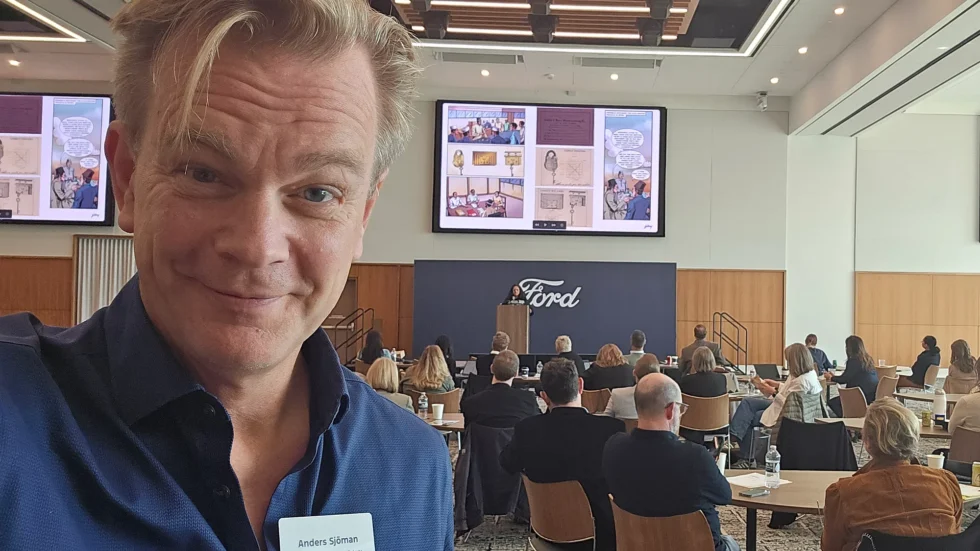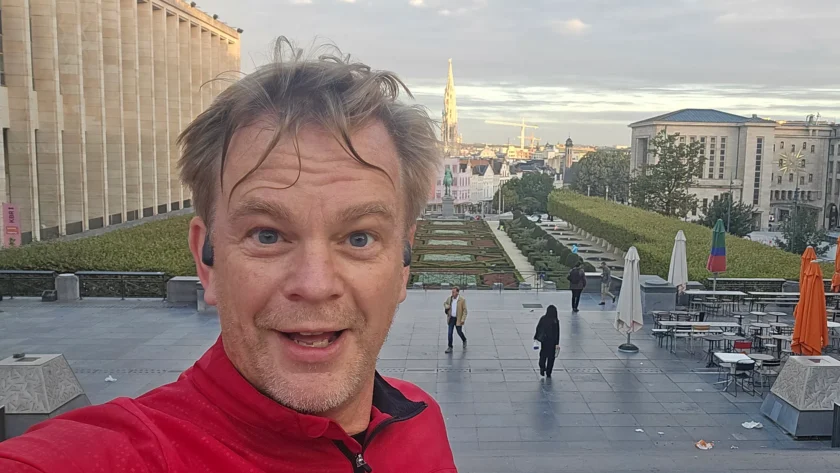
The ICA/SBA conference, an annual gathering for international business archivists, was held in Brussels this year. I wrote a postcard to Svenska Dagbladet about it. Read it in Swedish in Svenska Dagbladet or below in my English translation.
What do you do when history is problematic?
Looking out over Brussels is to see a city of compromise and open borders. EU's meeting point is a fitting backdrop for this year’s ICA/SBA, where the world’s business archivists and corporate heritage managers (a favorite title!) meet to exchange thoughts and best practices.
Last year in Detroit, world politics was unusually present ina the normally neutral realm of archivisits: Trump-weary Canadians didn't want to cross the border and stayed home. This year, as it happens, questions of borders and boundaries are a recurring theme.
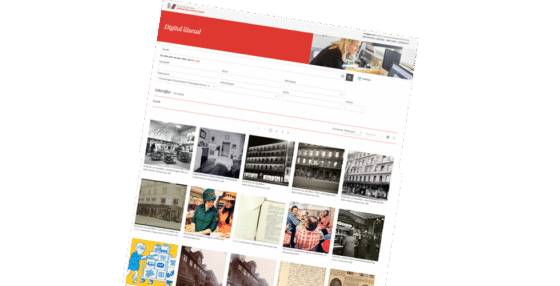
We talk about national borders, of course, but also the constantly shifting boundaries in business. What happens to a company’s memory amid divestments, closures, and mergers? From the stage, speakers talk of how the archives of Belgium’s Agfa-Gevaert were split up during mergers, about rescue efforts when Denmark’s Danfoss closed its oldest factory in Germany, and the many acquisitions of the Dutch company JDE Peet’s. (They own Swedish Gevalia, by the way.) The archive messes these leave are familiar from everyday life at the Centre for Business History, where we manage archives for more than 320 Swedish corporate groups.
What do you do when history is problematic? Under the heading Conflicted custodians, corporate archivists discuss Unilever’s colonial plantation legacy in the Belgian Congo and Roche’s handling of the 1976 Seveso disaster. Many of us believe that transparency about the past strengthens a company’s brand. Our American colleagues both nod and hesitate: good in theory, but doesn't opening such archives only expose you to lawsuits?
Sweden offers some uplifting examples. Absolut’s chief storyteller (another favorite title!), Lovisa Kragerud, tells the story of pre-Columbian statues that came to light after the purchase of Mexican Kahlúa—and have now been returned to Mexico. Ahead of Volvo’s centenary in 2027, Linus Karlsson from the National Archives of Sweden explains how the automotive giant’s archives are being organized for the celebration.
It serves as a reminder of the resilience of corporate heritage and its ability to survive crises and shifting boundaries—so that we can remember all that happened before, as we take on today's challenges.
Next year, we’ll see how they do things in India, when the industrial group Godrej hosts the conference in Mumbai.
Anders Sjöman,
CEO, Centre for Business History