How can high school students learn to evaluate sources and distinguish fact from fiction in an era characterized by AI and rapid information dissemination? The answer is often authentic primary sources. In January, we received a three-year grant of 4.8 million SEK from Erling-Perssons Stiftelse to develop a new educational online platform for high schools.
Erling-Perssons Stiftelse supports projects in scientific research, teaching and education, as well as care and development of children and young people. The foundation was established in 1999 in memory of H&M's founder Erling Persson.
AI lowers the barriers to archives
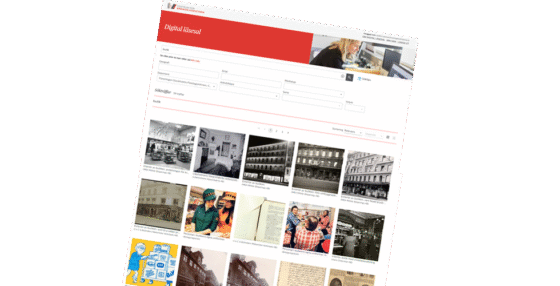
The project How do we know what we know? – An educational online platform for high schools is based on our school activities and our web-based search service Digital Reading Room. The purpose is twofold: to support teachers and students in source-critical work and at the same time highlight entrepreneurship and companies' contributions to Sweden's societal development. The project also responds to the knowledge goals set out in the new high school curriculum Gy25.
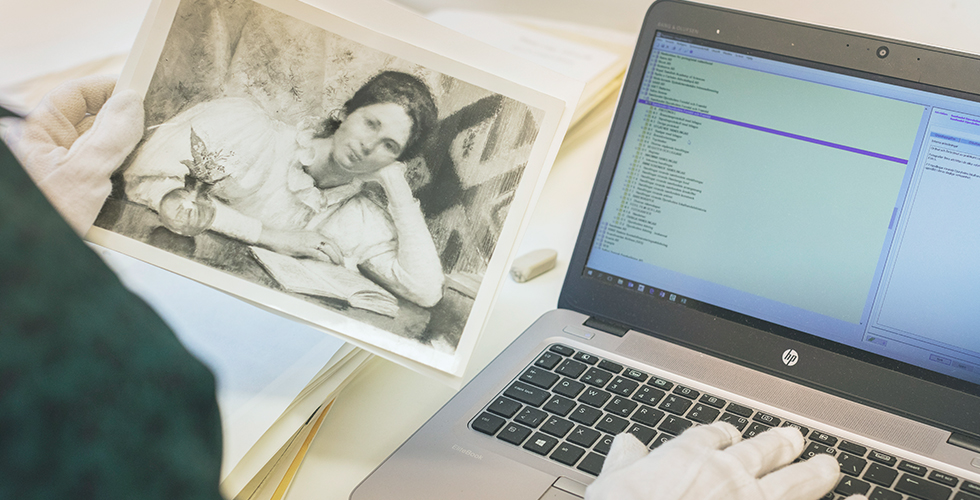
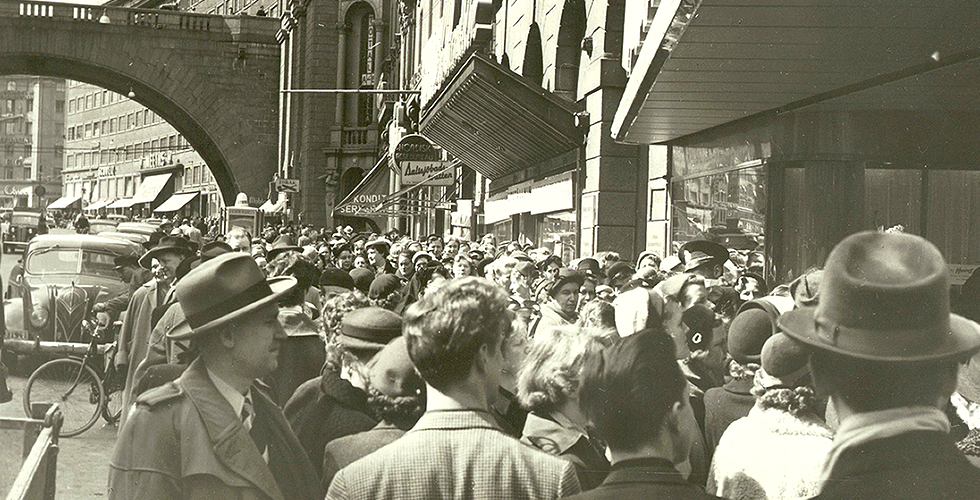
By providing easier access to the business archives we manage, students and teachers across the country are given direct access to historical documents. What is new in this initiative is the use of AI technology for both easier search processes and AI-generated metadata. The goal is to make archive material easier to search and easier to use, which lowers the barriers for students who want to work with authentic material in, for example, their high school projects.
The project runs for three years and started in early 2026. The development over the coming years will be agile and in close collaboration with reference groups of teachers and students to ensure pedagogical relevance in the classroom.